

Cart
0
Fiber or grain: which is the best source of energy for the horse?
Fibra e cereali sono la base dell’alimentazione del cavallo sportivo. Gli equini sono erbivori monogastrici, ciò significa che hanno uno stomaco semplice e si nutrono principalmente di vegetazione fibrosa o materiale vegetale che dovrebbero costituire la percentuale maggiore della dieta del cavallo. Spesso, le esigenze sportive e di scuderizzazione alterano quella che è la fisiologia e l’etologia del cavallo
Poor appetite in horse
Horses have specific preferences for the tastes, textures and smells of the food they ingest. Sometimes, these propensities are subordinate...
How to get a shiny coat for your horse
Obtaining a shiny coat is often difficult, as there are several factors that lead to this result. We are talking...
Nutrition of the injured horse
The nutrition of injured horses is an aspect that is often neglected, as opposed to the training plan that is...
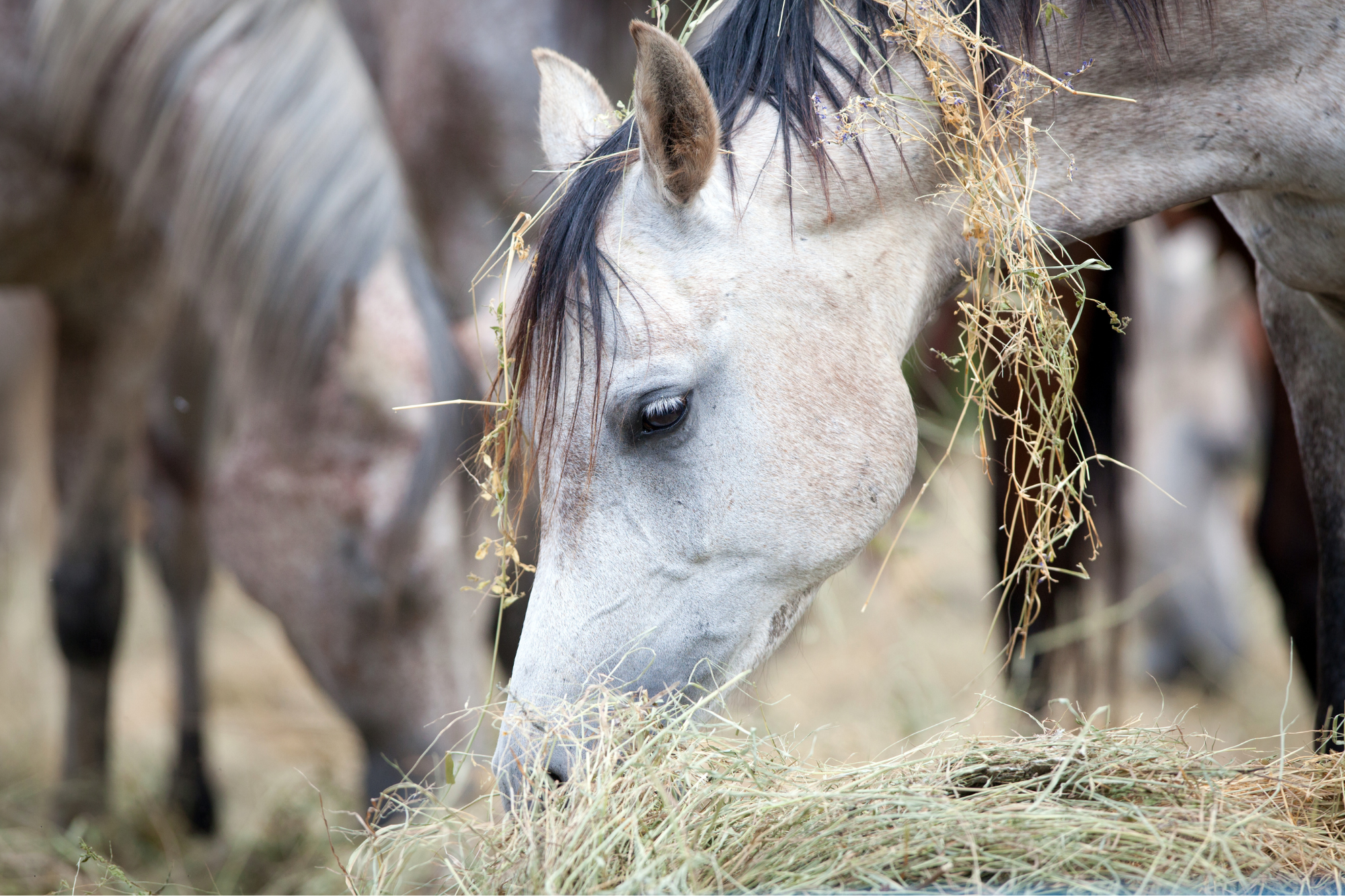
Hay in Horse diet:
When hay is not enough to meet needs The horse is a grazing herbivore, but in most cases it lives...
Minerals in horse nutrition: when and which ones to feed
Horses are composed of 70% water and 4% minerals. Without minerals, horses would not be able to metabolise fats, proteins...
Overweight horse
how to regain a good shape with Equiplanet Obesity in equines occurs in about 30% of the equine population...
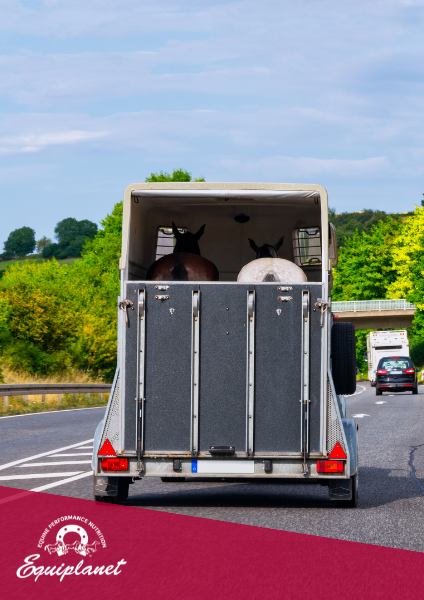
Transport stress in the horse
Transport stress in the horse has been amply demonstrated in the field and everyone easily understands the repercussions of a travel on equine welfare. What is meant by stress? We all know it but it is not easy to define. It has been described as a consequence of the negative effects of management or the environment that force an animal to change its natural condition or behaviour to avoid a physiological malfunction, thus helping the animal to cope with its environment.
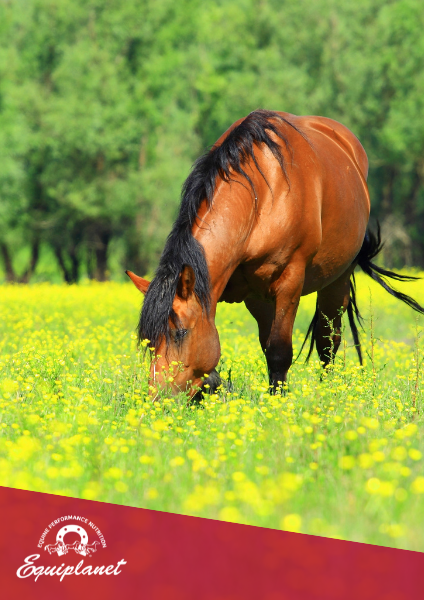
Horse management in summer in 10 steps
Summer is definitely the busiest time for riders and horse owners, whatever the discipline, from endurance competitions to hill rides...

Horse hoof care: 5 tips from Equiplanet
Il piede del cavallo ha diverse funzioni: sostiene il peso del cavallo, disperde l'energia dell'impatto col terreno e protegge le strutture sensibili contenute al suo interno. La cura dello zoccolo, quindi, deve necessariamente rientrare in quelle che sono le abitudini quotidiane nel management del cavallo, esattamente come somministrare l’alimento, inserire l’integrazione dei mangimi complementari, lavarlo o strigliarlo.
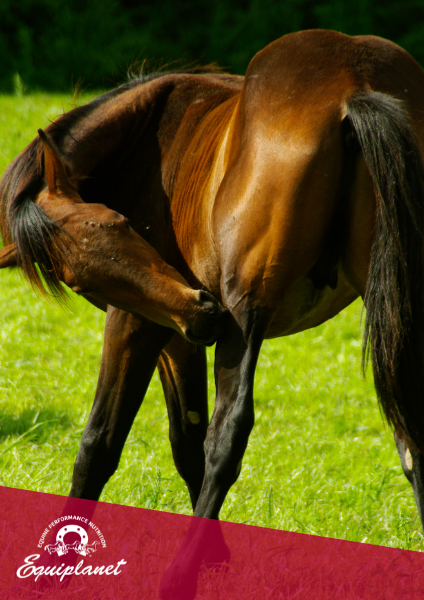
Horse skin and insects: how to deal with the summer period
Gli insetti dannosi per la cute del cavallo sono mosche e zanzare e sono la causa primaria di prurito. In particolare i Culicoides spp, appartengono a un genere di moscerini la cui saliva è particolarmente irritante per la cute del cavallo. Gli insetti creano disagio ai cavalli non solo per le punture, ma anche per gli auto traumatismi che si procurano per scacciarli.
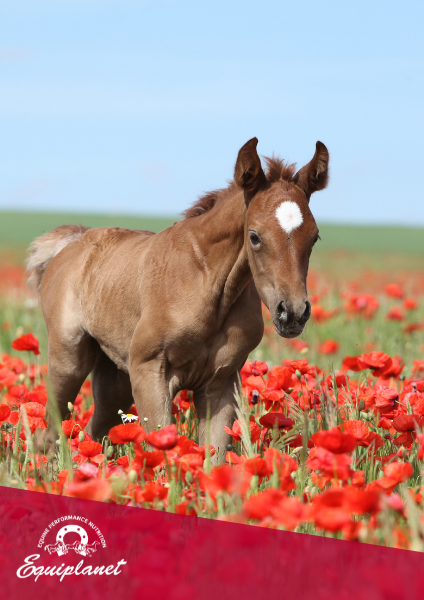
The Orphan Foal: Management and Feeding
Every breeder knows that he or she may have to manage an orphan foal because of birth complications or subsequent...
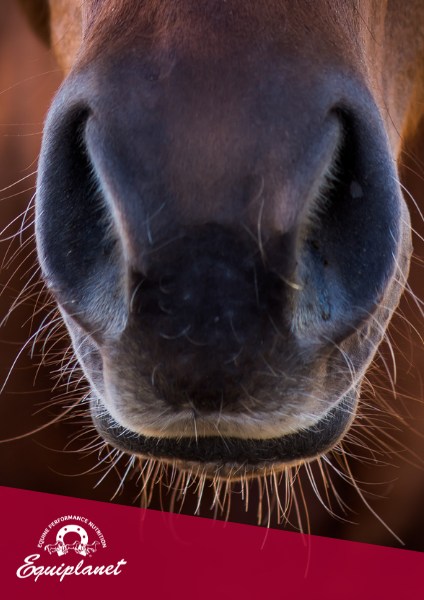
The horse's respiratory system and athletic performance
Because of its peculiar conformation, the horse's respiratory system requires special attention in daily management, especially during sporting activity. In...
Recent Post


Recommended products

